

Dupixent and Its Link to T-Cell Lymphoma Cancer
Dolman Law Group is actively reviewing and filing Dupixent lawsuit claims on behalf of anyone who developed cutaneous T-cell lymphoma (CTCL) or other forms of cancer after using Dupixent (generic: dupilumab).
The attorneys at Dolman Law Group are experienced in fighting some of the largest drug manufacturers in the world and are led by a board-certified expert in mass tort claims, just like the Dupixent cancer claims.
We are committed to holding companies that manufacture drugs with serious and life-threatening potential side effects, like the makers of Dupixent, Sanofi, and Regeneron, accountable for failing to warn their customers about the serious risks linked to their medication.
If you or a loved one developed cutaneous T-cell lymphoma (CTCL) or another form of lymphoma after taking Dupixent (dupilumab), you may be entitled to compensation. Contact us today.

Searching for a Dupixent Lawsuit Lawyer Near Me?
If you are searching for a Dupixent Lawyer because you were diagnosed with cutaneous T-cell lymphoma (CTCL) or some other type of lymphoma after taking Dupixent (dupilumab), you may qualify to file a Dupixent lawsuit.
Dolman Law Group is now accepting cases from patients and families across the country who are looking to get justice against Sanofi and Regeneron for failing to warn them about these serious risks.
We offer free case reviews and work on a contingency fee basis, meaning you pay nothing unless we recover money for you.
You are not alone. Across the country, patients are stepping forward after discovering that their long-term use of Dupixent may have led to a cancer diagnosis.
Our firm has decades of experience standing up to some of the largest pharmaceutical companies in the world. We know how to take on corporate defendants that put profits over patient safety.
Dolman Law Group has helped clients pursue justice in major defective drug and product lawsuits, including claims involving Suboxone tooth decay, Ozempic complications, toxic baby food lawsuits, and even large-scale abuse litigation such as the Roblox exploitation lawsuits.
When drug manufacturers fail to warn the public about serious risks, we step in to hold them accountable and fight for the compensation our clients deserve.

What Is Dupixent? What Is Dupixent’s Background?
Learn more about Dupixent, what makes it different from other medications, and how it’s used to treat many different conditions.
What Is The Origin of Dupixent?
Dupixent is the product of a joint venture between two pharmaceutical giants: Regeneron and Sanofi.
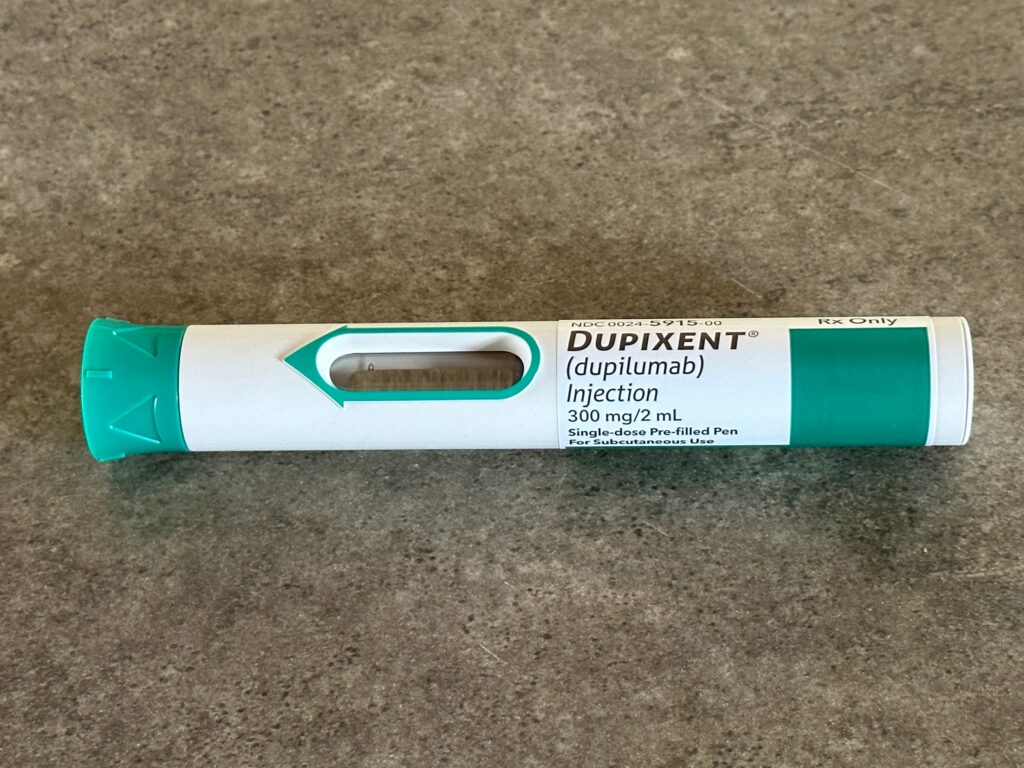
Dupixent (the brand name of the generic drug dupilumab) is a biologic medication invented by the pharmaceutical company Regeneron to reduce the body’s overreactive immune response that leads to conditions like eczema, among others.
They soon teamed up with Sanofi to move the drug through the long and expensive process of clinical trials and getting the product to market; this was Sanofi’s wheelhouse, and Regeneron is excellent at producing biological medications.
The FDA approved Dupixent on March 28, 2017, for the treatment of moderate-to-severe atopic dermatitis (aka eczema).
But this partnership is now under fire from multiple directions. Patients have filed Dupixent lawsuits alleging that both companies failed to warn about the risk of cutaneous T-cell lymphoma (CTCL) and other cancers.
At the same time, Regeneron and Sanofi have been fighting each other in court over an alleged lack of transparency with their profit-sharing agreement. Of course, this is a perfect example of how it’s all about money; their financial motives continue to overshadow patient safety concerns.
The companies have collaborated on other high-profile drugs, including Praluent for cholesterol, Kevzara for rheumatoid arthritis, and Libtayo for immunotherapy.
Their long-standing alliance shows how powerful these companies can be, especially when they team up, but it also underscores why the stakes in the Dupixent litigation are so high.
Key Facts About Dupixent and Its Manufacturers
- Drug Developed: Sanofi and Regeneron partnered, with Sanofi developing Dupixent and Regeneron funding trials, manufacturing, and distribution.
- Shared Profits: Both companies share Dupixent’s massive sales.
- Money Generated: Dupixent generated $3.67 billion in Q1and grew even further in Q2 of 2025 to $4.34 billion.
- Crazy Revenue: The two numbers above show that Dupixent alone (not including other drugs Sanofi or Regeneron make) is likely to generate $18.7 billion in 2025. Anyone still curious about why people can’t afford their medication?
- Other Drugs: Praluent (cholesterol), Kevzara (arthritis), Libtayo (immunotherapy)
- Corporate Dispute: Regeneron has sued Sanofi over a lack of transparency in the above-mentioned massive profits.
- Patient Lawsuits: Patients and their attorneys claim Sanofi and Regeneron failed to warn them that Dupixent could increase their risk of developing cancer, specifically lymphoma.
What Is Dupixent?
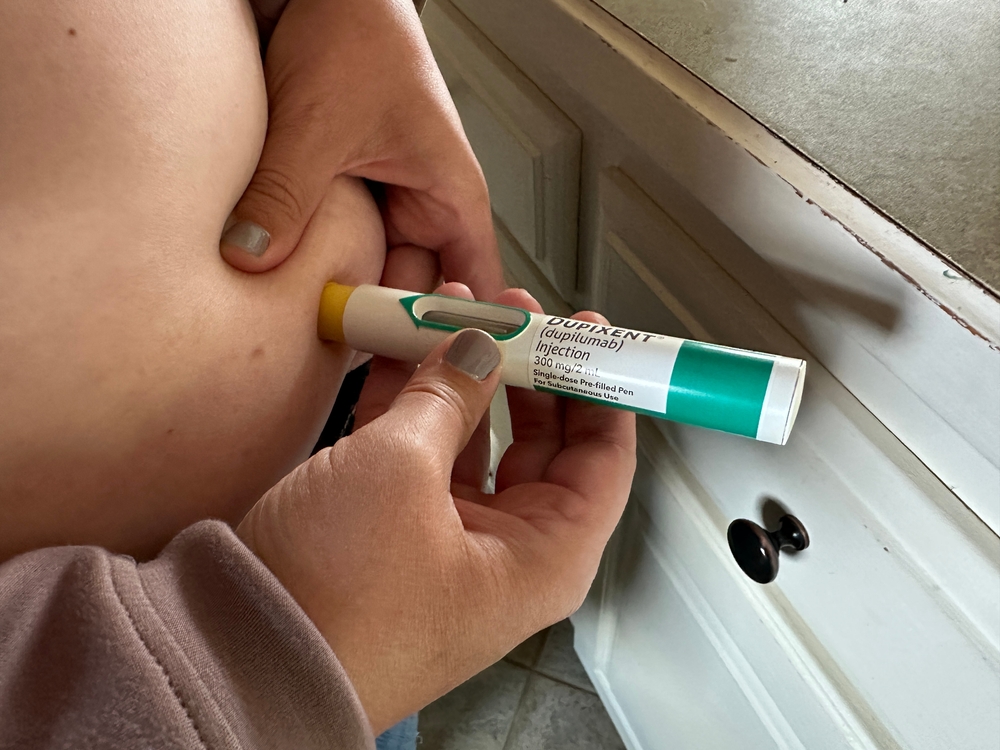
Biologic medications are made from living cells, not chemicals mixed in a lab like most medications. Instead of being a simple pill, biologic medications are usually injected into a patient by a doctor or at home to target a very specific part of the immune system.
Dupixent blocks two proteins in the body (called IL-4 and IL-13) that play a big role in causing inflammation. By turning down that overactive immune response, it can calm eczema, asthma, and other conditions where the immune system goes into overdrive.
In short, Dupixent is not a steroid or a standard pill. It’s a biological injection that tamps down certain immune system signals to reduce inflammation.
What Is Dupixent Approved To Treat?
Since then, its approved uses have expanded greatly.
It is marketed as a breakthrough treatment for inflammatory conditions, but lawsuits argue that its success came at the cost of ignoring or hiding serious safety risks, particularly the risk of T-cell lymphomas.
- Eczema: Moderate-to-severe atopic dermatitis in children as young as 6 months
- Eosinophilic esophagitis (EoE): For patients ages 1 and older who weigh at least 33 pounds
- Asthma: Add-on treatment for moderate-to-severe eosinophilic or steroid-dependent asthma in patients 6 and older
- Chronic rhinosinusitis with nasal polyps (CRSwNP): For patients 12 and older
- Chronic spontaneous urticaria (CSU): For patients 12 and older when hives don’t respond to antihistamines
- Chronic obstructive pulmonary disease (COPD): Add-on treatment for adults with high blood eosinophils
- Prurigo nodularis (PN): For adults 18 and older with this severe itchy skin condition
- Bullous pemphigoid (BP): For adults 18 and older with painful, fluid-filled blisters
Even with these wide-ranging approvals, lawsuits argue that Dupixent carries serious risks that were never fully disclosed to patients or doctors.
Why Is Dupixent Being Sued?
The lawsuits claim that Dupixent’s manufacturers, Sanofi and Regeneron, failed to warn patients and doctors about the risk of developing lymphoma, especially CTCL.
The problem is complicated because the earliest signs of lymphoma—red patches, skin irritation, and itching—can look nearly identical to the eczema and atopic dermatitis Dupixent is supposed to treat. This overlap can delay diagnosis and allow a cancer to progress unchecked.
Families filing Dupixent lawsuits argue that the drug companies knew or should have known about this risk and had a duty to provide stronger warnings. Instead, patients were left in the dark, increasing their risk of severe illness and, in some cases, fatal outcomes.
Negligence and Allegations Against Sanofi and Regeneron
The core allegation in these Dupixent lawsuits is corporate negligence. Patients and families claim that Sanofi and Regeneron failed to act responsibly when marketing Dupixent and ignored clear warning signs about the drug’s link to cancer. Instead of protecting the people who relied on their medication, the manufacturers are accused of putting sales and market growth ahead of patient safety. Specifically, Sanofi and Regeneron are accused of:
- Lack of testing: Failing to conduct adequate long-term safety testing before aggressively marketing Dupixent.
- Ignored warning signs: Downplaying or ignoring early safety signals that suggested a potential connection between Dupixent and CTCL.
- Inadequate labeling: Failing to include clear warnings on the drug’s label despite accumulating evidence of serious cancer risks.
- Profit over safety: Prioritizing profit and rapid expansion into new treatment markets (such as asthma and chronic rhinosinusitis) instead of fully disclosing risks to patients.
By withholding information and failing to warn doctors, the manufacturers may have denied patients the chance to make an informed decision about whether the benefits of Dupixent outweigh the risks.
Research Linking Dupixent to T-Cell Lymphoma
Scientific research has raised red flags about Dupixent’s potential to trigger or accelerate lymphoma.
- A 2024 JAMA Dermatology study found a more than threefold increased risk of CTCL among Dupixent users compared to patients not taking the drug.
- Other research in the Journal of the American Academy of Dermatology (JAAD) suggests that Dupixent could “unmask” hidden cancers or speed up the development of undiagnosed lymphomas.
- Reports submitted to the FDA’s Adverse Event Reporting System (FAERS) include numerous cases of CTCL and related cancers in Dupixent patients.
While studies are ongoing, this evidence has been strong enough to support a growing wave of litigation against Sanofi and Regeneron.
Dupixent Side Effects and Associated Cancers
The most serious concern linked to using Dupixent is the risk of developing lymphoma, specifically cutaneous T-cell lymphoma (CTCL). Patients and families filing lawsuits claim that the drug may trigger or accelerate these cancers, sometimes disguising early symptoms as eczema.
Types of Cancers Associated with Dupixent and Dupixent Lawsuits
- Cutaneous T-Cell Lymphoma (CTCL): This is the most commonly reported cancer linked to Dupixent use.
- Mycosis Fungoides: This is the most common form of CTCL, and it begins with flat, red, scaly patches that resemble eczema.
- Sézary Syndrome: This is a rare, aggressive type of CTCL that can cause widespread skin redness and abnormal white blood cells.
- Other T-cell lymphomas: These include peripheral T-cell lymphoma and primary cutaneous anaplastic large-cell lymphoma.
- Non-Hodgkin’s Lymphoma: Some lawsuits and studies suggest Dupixent may increase the risk of broader forms of non-Hodgkin’s lymphoma, although most attention remains on CTCL.
Warning Signs And Side Effects Of Dupixent That May Signal Cancer
Dupixent side effects can overlap with the very conditions it’s designed to treat, making early detection difficult. Patients should watch for:
- Red, scaly skin patches that do not improve with Dupixent treatment
- Raised skin lesions or tumors on the skin
- Persistent or severe itching
- Thickened or leathery skin (lichenification)
- Painful or inflamed skin areas that spread over time
- Enlarged lymph nodes in the neck, underarms, or groin
- Unexplained fevers, night sweats, or chills
- Fatigue or weakness that does not improve with rest
- Unexplained weight loss
Other side effects of Dupixent (not cancer-related)
In addition to lymphoma risks, Dupixent has also been associated with other adverse reactions:
- Eye and vision problems: These include conjunctivitis, eye irritation, and in some cases, keratitis.
- Joint pain (arthralgia): Some patients report persistent muscle or joint pain while using Dupixent.
- Injection site reactions: These can involve swelling, redness, or pain where the drug is injected.
- Allergic reactions: These may include swelling of the face, lips, or throat in rare cases.
- Immune system effects: Because Dupixent alters the immune response, some patients may be more vulnerable to infections or autoimmune reactions.
FDA Warnings and Labeling
As of September 2025, Dupixent’s official label does not contain a strong, explicit warning about the risk of developing CTCL. Some updates have been made to mention potential malignancies, but many experts argue these warnings remain too vague.
Plaintiffs in ongoing lawsuits argue that the FDA’s limited labeling changes are not enough and that Sanofi and Regeneron should have issued stronger safety communications years ago when early case reports surfaced.
Dupixent Lawsuit Update – September 2025
A new case was filed in an Illinois state court by a patient who developed Sézary Syndrome after using Dupixent. The lawsuit alleges that Sanofi and Regeneron ignored internal safety data for years before patients and independent researchers made the connection public.
Updated data from the FDA’s Adverse Event Reporting System (FAERS) showed a sharp rise in reported CTCL cases tied to Dupixent in the first half of 2025, strengthening the argument that the manufacturers should have acted sooner.
A wrongful death lawsuit was filed in Florida on behalf of a man who passed away from aggressive CTCL after being treated with Dupixent for chronic eczema. His family claims he was repeatedly misdiagnosed because his cancer symptoms looked identical to eczema.

What Kind of Compensation Can I Recover?
A successful Dupixent lawsuit allows patients and families to pursue compensation for the wide range of losses caused when a drug company fails to warn about serious risks. These damages are meant to ease the financial burden and recognize the physical and emotional toll that lymphoma has taken.
Medical Expenses (Past and Future)
Lymphoma treatment often means biopsies, imaging, chemotherapy, radiation, hospital stays, and ongoing follow-up care, and the costs add up quickly. A Dupixent lawsuit can cover both the bills you’ve already faced and the medical care you’ll need in the future.
Lost Wages And Diminished Earning Capacity
Cancer treatment almost always requires extended time away from work, and some patients can’t return to their careers at all. You may be compensated for the income you lost while undergoing treatment, as well as reduced earning potential moving forward.
Pain And Suffering
The financial side is only part of the story. Lymphoma caused by Dupixent leaves patients dealing with chronic pain, physical discomfort, anxiety, depression, and the loss of normal day-to-day life. Lawsuits seek damages for these very real and very human struggles.
Wrongful Death Damages
If a loved one passed away from Dupixent-related lymphoma, surviving family members may be able to file a wrongful death lawsuit. Compensation can help with funeral and burial costs, loss of income and support, and the devastating loss of companionship and guidance.
Other Possible Damages
Some cases may also qualify for compensation for out-of-pocket expenses, home health care, or even punitive damages. Punitive damages are awarded when a company’s conduct is so reckless or negligent that the court wants to send a clear message, like when manufacturers knew about Dupixent side effects but failed to warn patients anyway.
No lawsuit can undo the harm caused by a cancer diagnosis, but holding Sanofi and Regeneron accountable through a Dupixent lawsuit can provide financial relief and force them to answer for putting profits over patient safety.
Who Qualifies for a Dupixent Lawsuit?
You may qualify if you meet the following criteria:
- You used Dupixent after 2017
- You were on the medication for at least 3 to 6 months
- (This includes patients who received multiple injections over time)
- You were later diagnosed with a T-cell lymphoma, including the following:
- Cutaneous T-Cell Lymphoma (CTCL)
- Anaplastic large cell lymphoma
- Extranodal NK/T-cell lymphoma
- Subcutaneous panniculitis-like T-cell lymphoma
- Adult T-cell leukemia/lymphoma
- Follicular helper T-cell lymphoma
- Peripheral T-cell lymphoma
- Or developed one of the following conditions:
- Mycosis Fungoides
- Sézary Syndrome
- Lymphomatoid papulosis
To find out if you are fully eligible to file a Dupixent Lawsuit, you should speak with a lawyer who is experienced in dangerous medication lawsuits, like the Dupixent lawyers at Dolman Law Group.

How Dolman Law Group Can Help You File a Dupixent Lawsuit
Dolman Law Group offers:
- Free case review with no obligation to go over the details of your case.
- Complete handling of your case from medical record collection to expert witness coordination to negotiations with defense lawyers.
- Contingency fee model, so you pay nothing unless we win your case and get you compensation for injuries.
We are a nationally recognized litigation firm with a proven track record in defective drug lawsuits. Beyond Suboxone and Ozempic lawsuits, we’ve been at the forefront of mass tort litigation for toxic baby food, abusive tech platforms like Roblox, and countless other cases against corporate giants.
We know how to take complex medical and scientific evidence and present it in a way that gets results in court. If you’re looking for a firm that combines resources with a personal, client-focused approach, Dolman Law Group is here to help.

Frequently Asked Questions About the Dupixent Lawsuit
No. The FDA has not recalled Dupixent. Lawsuits are ongoing, and the FDA is still monitoring safety reports.
No, this is not a class action. Most cases are individual lawsuits that may later be combined into what is called a multidistrict litigation (MDL). An MDL is similar to a class action, except it’s for cases that are similar and have the same defendant(s) but with damages and injuries that vary. An MDL saves time and resources in mass tort lawsuits.
Dupixent is manufactured by Sanofi and Regeneron Pharmaceuticals.
Patients are suing because Dupixent has been linked to cutaneous T-cell lymphoma (CTCL) and other cancers, and the manufacturers allegedly failed to warn doctors and patients about these risks.
The primary cancer linked is cutaneous T-cell lymphoma (CTCL), but cases also involve mycosis fungoides, Sézary syndrome, and other forms of T-cell lymphoma.
Common symptoms include red or scaly skin patches, severe itching, swollen lymph nodes, unexplained weight loss, fever, or fatigue.
Deadlines depend on your state’s statute of limitations. Some states give you only two years from the date of diagnosis, so it’s important to speak with a lawyer as soon as possible.
At Dolman Law Group, you pay nothing up front. We work on a contingency fee basis, which means you only pay if we win your case.
Every case is different. Compensation may include medical bills, lost wages, pain and suffering, and, in some cases, wrongful death damages for surviving family members.
There have not been any reported settlements yet because these cases are still in early stages. Based on other defective drug lawsuits, settlements may range widely depending on the severity of injury and proof of negligence.
Dupixent is FDA-approved and still prescribed, but lawsuits claim it carries hidden cancer risks that were not adequately disclosed to patients.
Research has shown a possible increased risk of cutaneous T-cell lymphoma in some patients taking Dupixent. Studies are ongoing, but lawsuits argue that the drug may trigger or accelerate undiagnosed cancers.
Get medical treatment immediately and contact a lawyer to discuss your legal options. You may qualify to file a lawsuit.
No. Filing a lawsuit does not stop you from receiving medical care or continuing treatment as your doctor recommends.
Families may be able to file a wrongful death lawsuit to recover damages for funeral costs, loss of income, and loss of companionship.
Not yet. Lawyers are filing cases individually, but as more lawsuits are filed, they may be consolidated into an MDL.
It depends on whether the cases are consolidated into an MDL and how quickly the courts move. Mass tort cases often take several years to resolve.
Yes, as long as you were later diagnosed with lymphoma and are still within your state’s statute of limitations.
To help prove your Dupixent lawsuit, you will need your medical records, proof of Dupixent prescriptions, and your cancer diagnosis. These are the most important pieces of evidence. Your attorney can help gather this information.
Not always. Many cases settle before trial, but if your case does go to court, your lawyer will handle the process and represent you every step of the way.
Contact a Dupixent Lawyer for a Free Case Review
If you or someone you love developed lymphoma after taking Dupixent, don’t wait to get legal help. Call Dolman Law Group today for a free consultation.
Contact us online or call 727-451-6900 to speak directly with a Dupixent lawyer. There is no fee for a consultation, and no fees unless we win your case.
